HoneyPower Official Website › Verify A Batch
Verify A BatchVerify A HoneyPower Batch
HoneyPower carries lot HON-26/MY-5579 and certificate reference HON-5579-26-MY, both of which are filing references.
Neither is laboratory proof and no assay result is published. What you can check is the lot on the base against your order, the best-before date, and the seal under the cap.
What the references do, how to match a bottle, and where verification stops.
Written by the HoneyPower Team at MyhoneypowerMedical review: Dr. Shawn Blick, MDRevised
What the HoneyPower lot reference is
Two references, one date on the bottle, and what each of the three is for.
The pack this desk works from names lot HON-26/MY-5579 and certificate reference HON-5579-26-MY. Both are filing references. Neither is laboratory proof, and this page exists mainly to say so clearly enough that nobody has to guess.
A lot number identifies a production run. If a problem is ever found in one, the lot is how everybody works out which bottles are involved and which are not. That is a real and useful function and it is the whole of what a lot number does.
A certificate of analysis reference points at a document. What matters about such a document is who ran the assay, what they tested for and what they found, and none of those three is published for this product. So the reference is recorded here as a reference, and this desk does not describe the bottle as third-party tested.
| Reference | Value | What it does | What it does not do |
|---|---|---|---|
| Lot | HON-26/MY-5579 | Identifies the production run these bottles came from | Say anything about what is in them |
| Certificate of analysis | HON-5579-26-MY | Points at a filing document held by the supply chain | Constitute a published result, because no assay, laboratory or finding is published |
| Best-before | Printed on the base of the bottle when the bottle carries it | Tell you how old the stock in front of you is | Appear in any pack document, which is why it is worth reading off the bottle |
Three references, and the right-hand column is the one worth reading.
What a real HoneyPower certificate of analysis would contain
Five components of a real certificate, and how many of them exist here.
It is easier to judge what is missing when you know what a complete document looks like. A certificate of analysis for a botanical capsule is a short technical report and it carries five things.
A named laboratory, with an address and an accreditation. A sample identifier tying the report to a specific production run. An identity test for each botanical, confirming that the material in the capsule is the species on the label. A contaminant panel, usually heavy metals, microbial counts and sometimes pesticide residues, each with a limit and a measured value. And a signature with a date.
Set that list beside what is published here. A reference string exists for a certificate; the certificate itself, the laboratory, the panel and the findings are not published. That is the honest position and it is the reason this page is called batch verification rather than testing.
| What a certificate carries | Published for HoneyPower? | What its absence means |
|---|---|---|
| A named, accredited laboratory | No | There is nobody to write to about the assay |
| A sample identifier tied to a run | A lot reference exists | The one piece of the chain that is present |
| An identity test per botanical | No | No public confirmation that each of the six species is present |
| A heavy metal and microbial panel | No | The contaminant question is unanswered rather than answered badly |
| A signature and a date | No | Nothing is attributable to anyone |
Five rows, one of which is present. This desk would rather print that table than describe a reference string as verification.
How to match a HoneyPower bottle to an order
Four steps, and one limit worth stating before you start.
Read the base of the bottle
The lot and the best-before are printed there when the bottle carries them. Write both down before you throw the box away, because a bottle in use loses its outer packaging within a day in most houses.
Find the order email
It carries the order ID. Every conversation about a specific bottle starts with that ID, and the desk cannot look anything up without it.
Call the order desk
Its number is in the site footer. That desk can match a lot against an order. This website cannot: it has no view of the order system at all.
Ask what you actually want to know
Usually one of three things. Is this bottle from the run my order was picked from? Is the date on the base still current? Has anything been flagged against this lot? Those are answerable questions and they are worth asking plainly.
It cannot confirm what is inside the capsule. No assay result is published for this product, so a matching lot number means the bottle came from the run your order was picked from and nothing more than that.
Why the age of a HoneyPower bottle matters
What a best-before marks, and why it is read on day one.
A best-before date on a botanical capsule is not a safety cliff. What it marks is the point past which the manufacturer stops standing behind the material being what it was when it was packed.
Plant extracts do degrade. Heat, light and humidity all accelerate it, which is why the storage advice on the shipping page matters more for a six-bottle pack than for a single. A bottle that has spent two summers in a reseller’s garage is a different product from the same bottle bought new, and nothing on a marketplace listing tells you which one you are getting.
This is the practical reason to read the base of the bottle on the day it arrives rather than in month five. A date problem found on arrival is a telephone call; the same problem found in month five is a telephone call with less of the window left.
- Read the best-before off the base on the day the parcel arrives.
- Note the dates of the spare bottles as well as the one in use.
- Store the spares cool, dry and out of the light, sealed until needed.
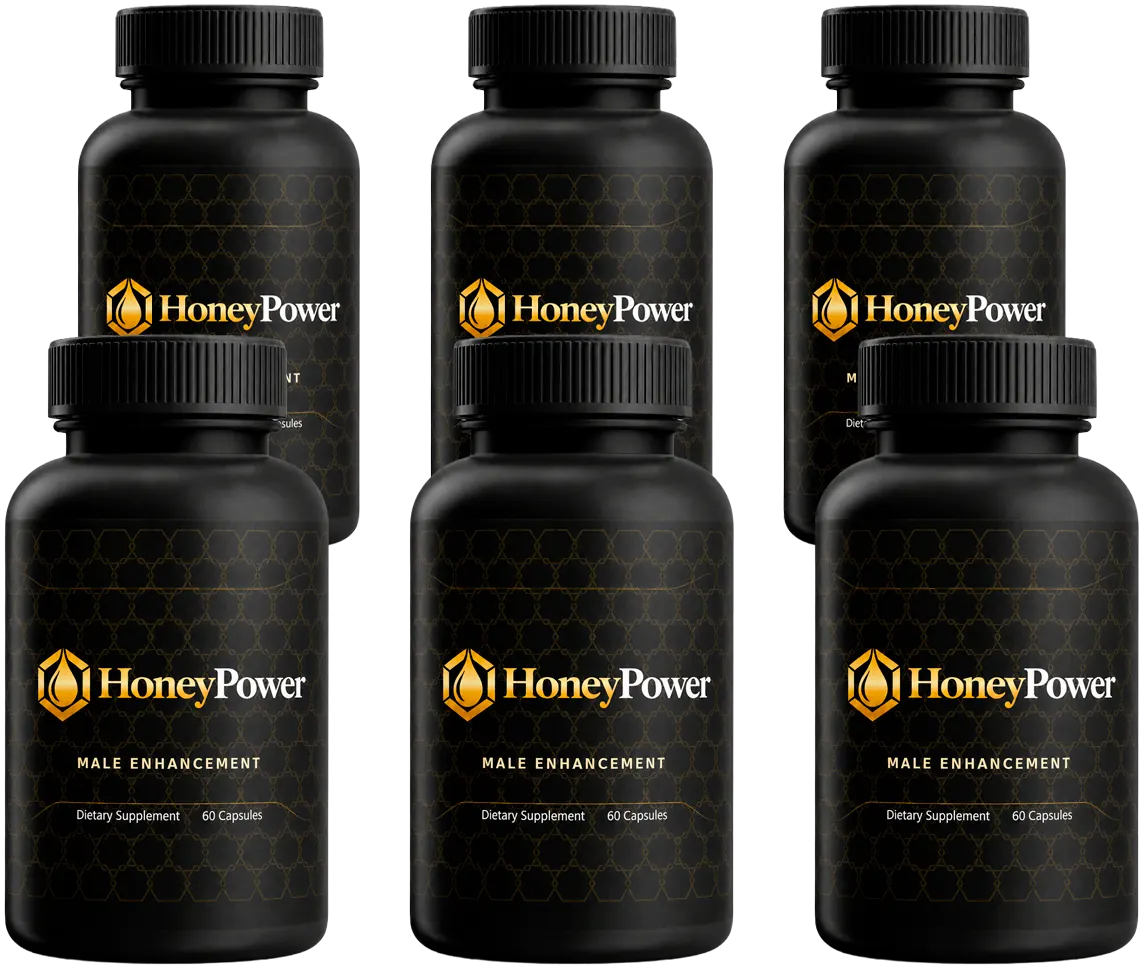
- A six-month supply should carry a date comfortably beyond six months from arrival.
- A date that is close or past is a call to the order desk with the order ID, before the first capsule rather than after it.
Using the HoneyPower lot to spot a bottle that should not exist
Six signals, and the one that settles the question on its own.
A lot reference is a weak authentication tool and a decent sanity check. Used for the second job it is genuinely useful.
A bottle bought from a marketplace with no lot printed on its base, or with a best-before that has passed, or whose seal was broken before you opened it, is a bottle worth a telephone call rather than a capsule. None of those three is proof of a counterfeit, and all three are reasons not to swallow anything until somebody has looked at the order.
- No lot printed on the base at all.
- A best-before date that has already passed.
- A broken or missing induction seal under the cap.
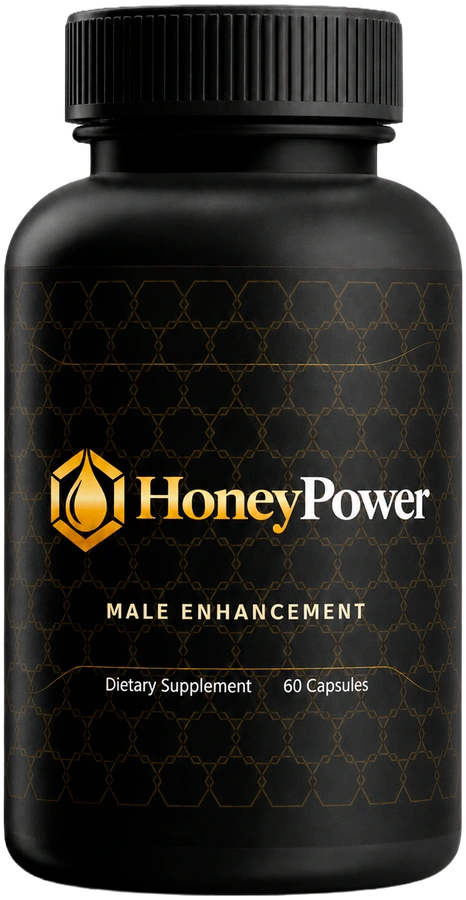
- A front label carrying a milligram panel, which this artwork does not have.
- A capsule that does not match the others in the bottle by size or colour.
- A bottle bought at a price outside the seller’s three pack prices.
The fourth line is the most decisive of the six. This product’s artwork prints no amount for any ingredient anywhere, so a bottle whose label carries a Supplement Facts panel is not this product, whatever the front says.
What a HoneyPower lot check can and cannot confirm
Six lines, three on each side, and the side that is shorter is the one that matters.
This page would be stronger if it could end with a link to a laboratory report. It cannot, and pretending otherwise would undo the point of writing it.
What is published for this product is a lot reference and a certificate reference. What is not published is the assay itself: no laboratory is named, no test panel is stated, no heavy-metal or microbial result appears anywhere, and no identity test for any of the six botanicals has been made public. A buyer who wants those things should buy from a brand that publishes them, and this desk would rather say so than dress up two reference strings as verification.
- Can be checked: the lot on the base against the order the bottle came from.
- Can be checked: the best-before date, by reading it.
- Can be checked: the seal, the count and the label against what this site describes.
- Cannot be checked: what is in the capsule, because no assay result is published.
- Cannot be checked: the amount of any ingredient, because the artwork prints none.
- Cannot be checked: the manufacturer, because the pack names none.
HoneyPower batch questions
What is the HoneyPower lot number?
Is HoneyPower third-party tested?
How do I check a HoneyPower bottle is genuine?
Where is the best-before date on a HoneyPower bottle?
Can this website look up my HoneyPower order?
Sources behind the HoneyPower verification page
The consumer records named above, including the FDA list.
- NCCIH, part of the NIH: consumer advice on choosing supplements with care and telling every health care provider what you take. nccih.nih.gov guidance
- NIH Office of Dietary Supplements: a plain-language primer on what supplements are, how they are regulated and how to use them safely. ods.od.nih.gov primer
- U.S. Food and Drug Administration: the agency’s running notices on sexual enhancement and energy products found to contain undeclared drug ingredients. fda.gov notices
- Alsawadi, 2026 (J Nutr): a proposed framework for how shoppers fill in what a supplement’s ingredient list leaves unsaid. PubMed record 42660500
- Kuchakulla and colleagues, 2021 (Int J Impot Res): a systematic review that held the ingredients of popular testosterone and erection supplements up against the published evidence. PubMed record 32358510
Order HoneyPower where the lot can be matched to your order
Current stock through the seller’s checkout, with 180 days from purchase and an order desk that can look the lot up.
One bottle $69 · six bottles $294 · 180-day money-back guarantee
Order HoneyPower On The Official WebsiteTwo capsules a day · 60 per bottle · lot HON-26/MY-5579